
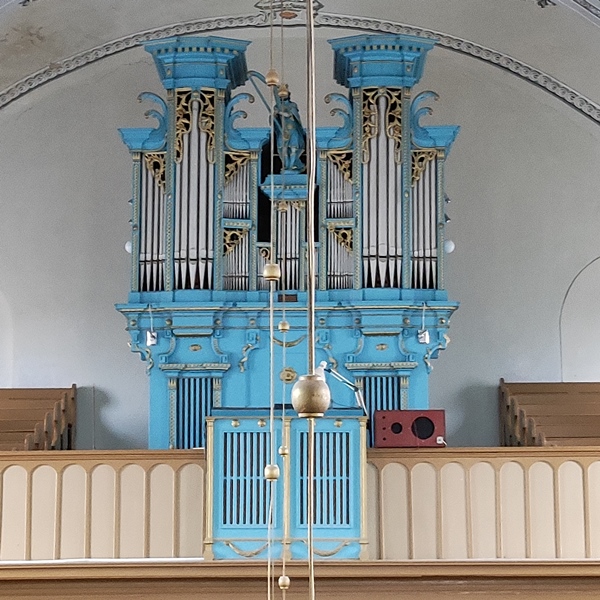
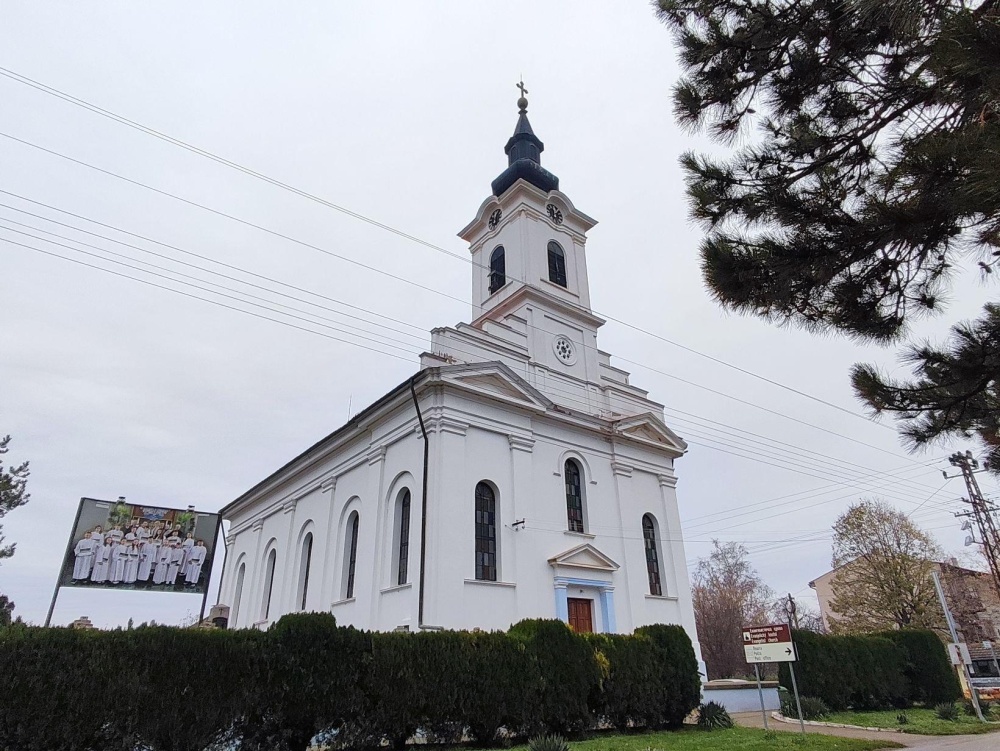
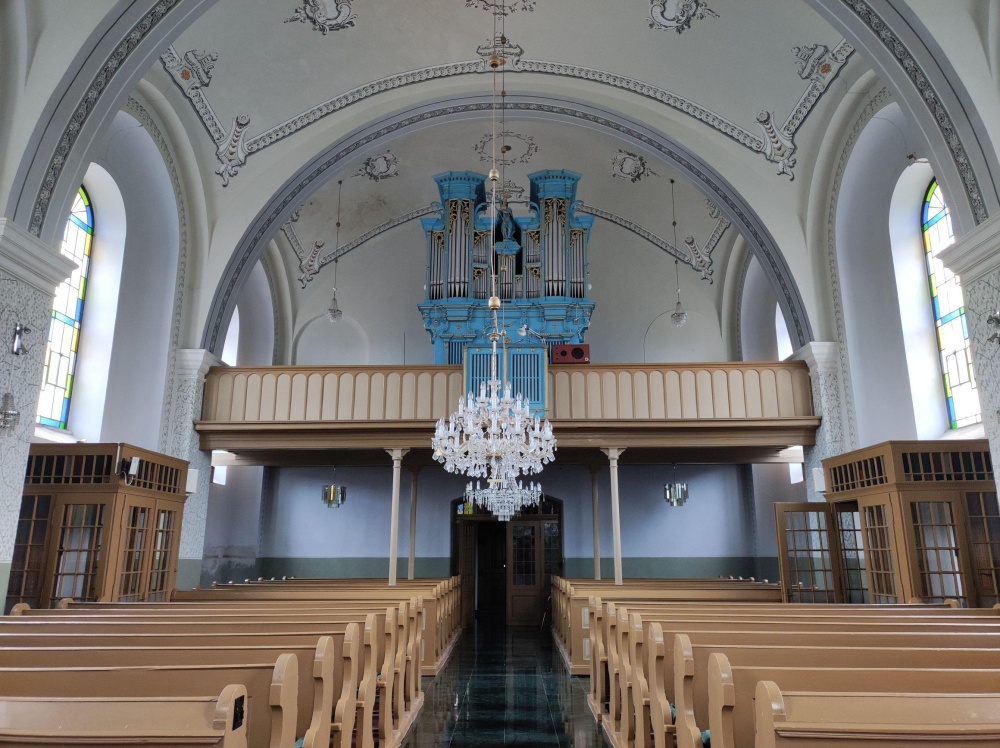
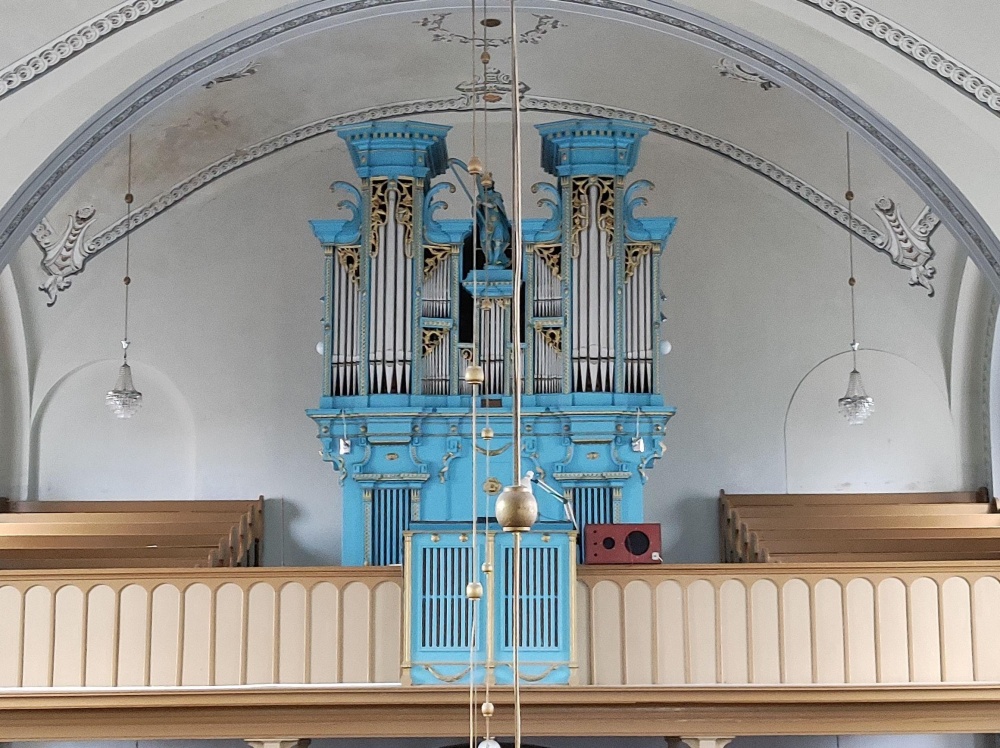
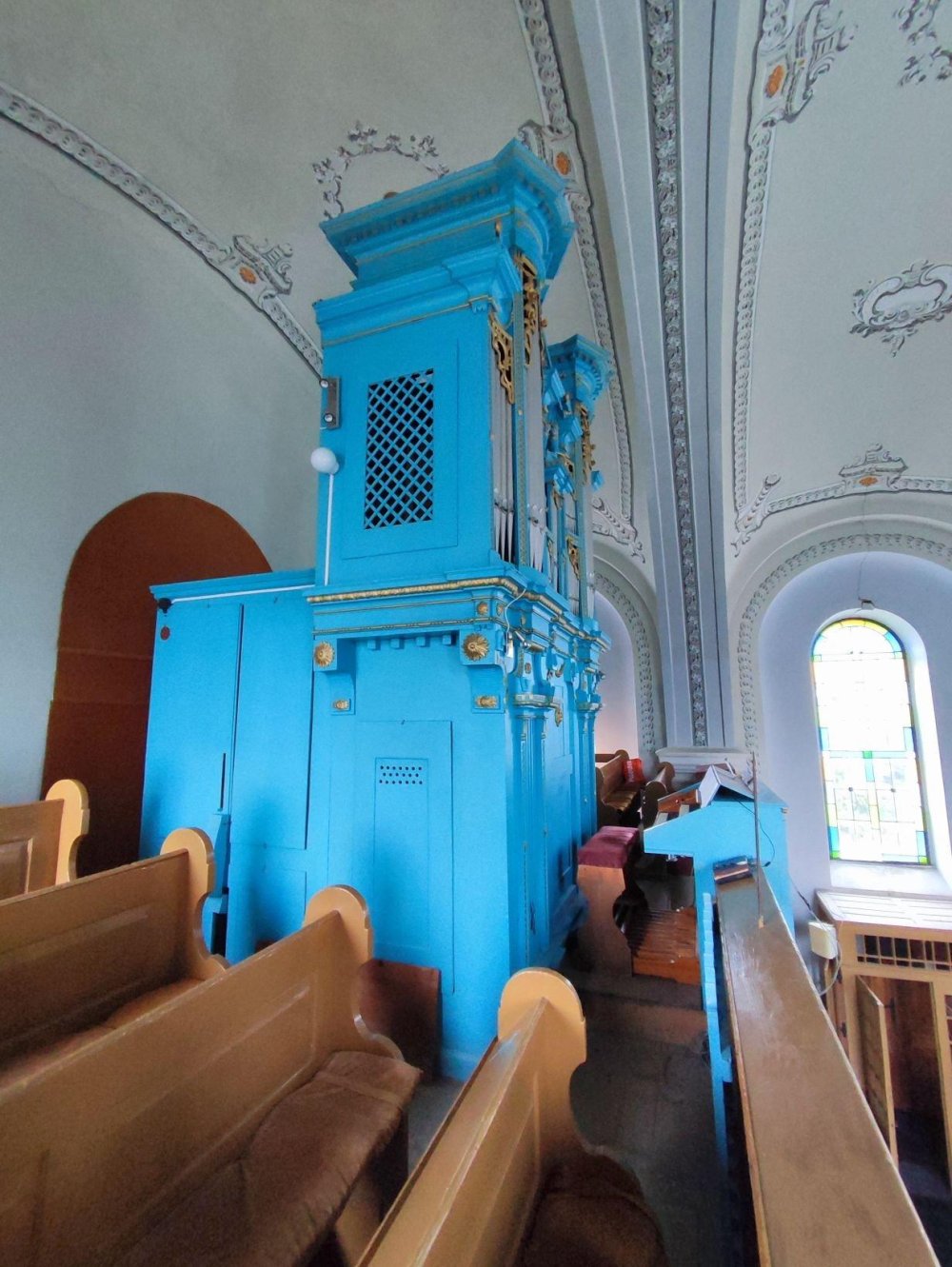
Kulpin, Slovak Evangelical Church of the A. C.
Ján Pažický, II/17, mechanical tracker action
← →
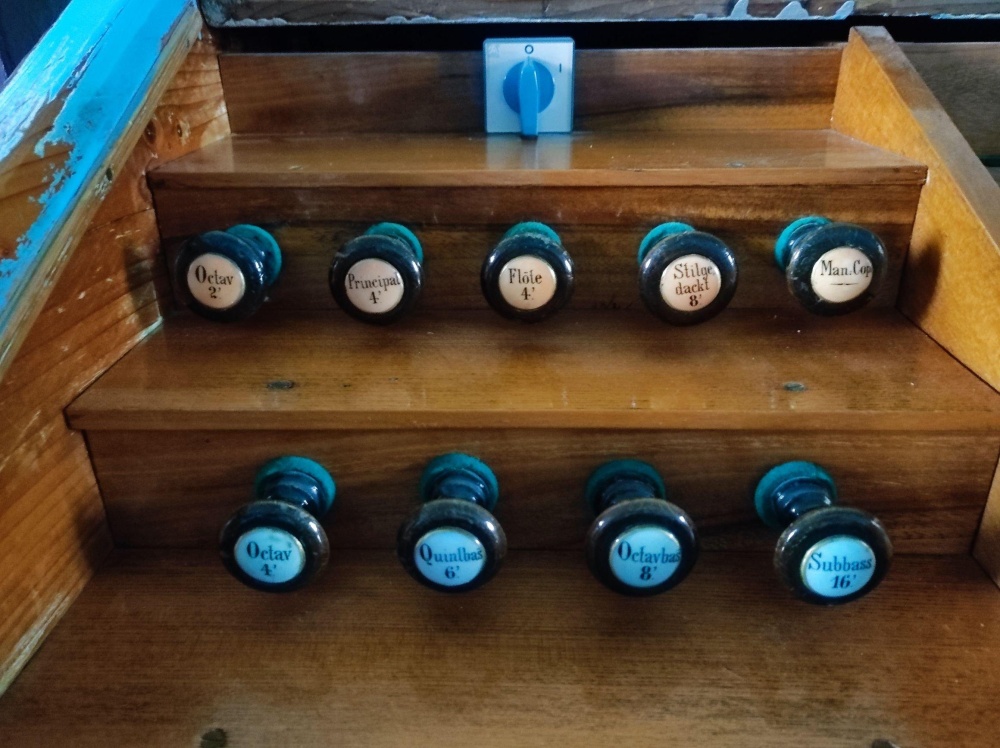
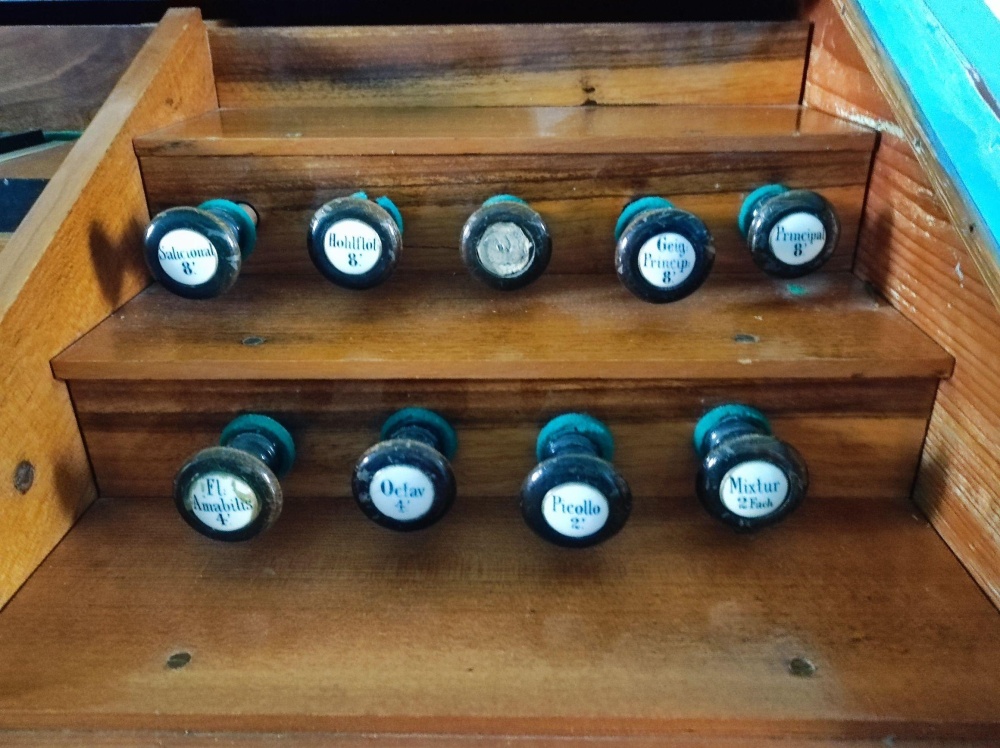
| Stop List | ||
| I. Great | II. Choir | Pedal |
| Principal 8´ | Stillgedackt 8´ | Subbass 16´ |
| Geigenprincipal 8´ | Principal 4´ | Octavbass 8´ |
| Hohlflöte 8´ | Flöte 4´ | Quintbass 6´ |
| Quintatön 8´ | Octav 2´ | Octav 4´ |
| Salicional 8´ | ||
| Octav 4´ | ||
| Fl. Amabilis 4´ | ||
| Piccolo 2´ | ||
| Mixtur 2 fach | ||
| (drawknobs) | ||
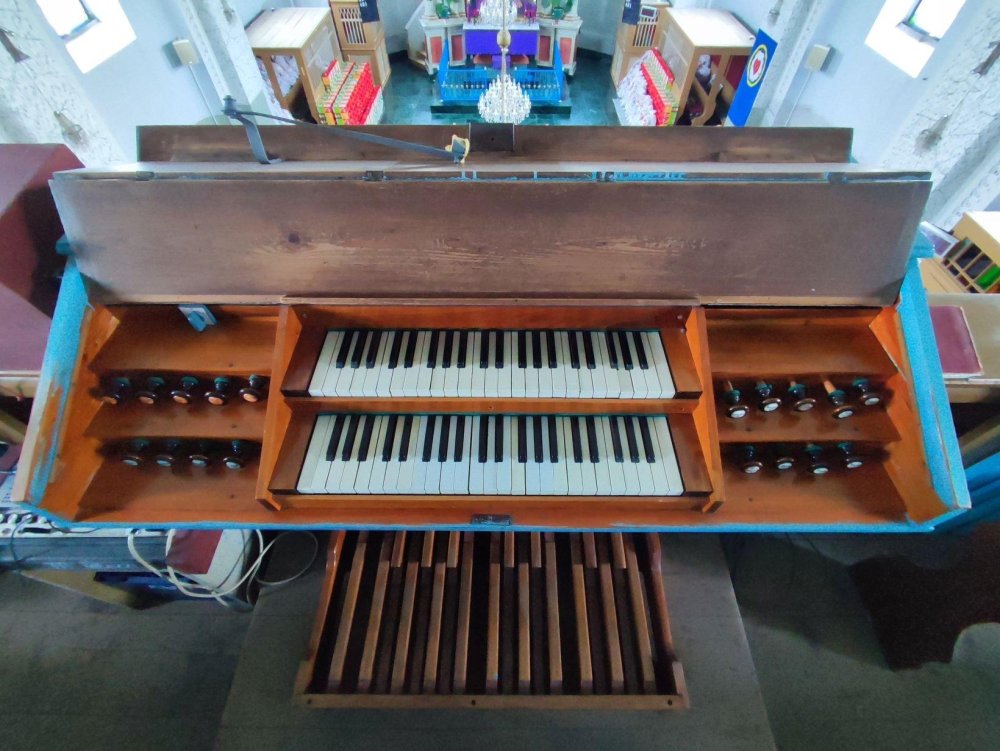
| Compass: | ||
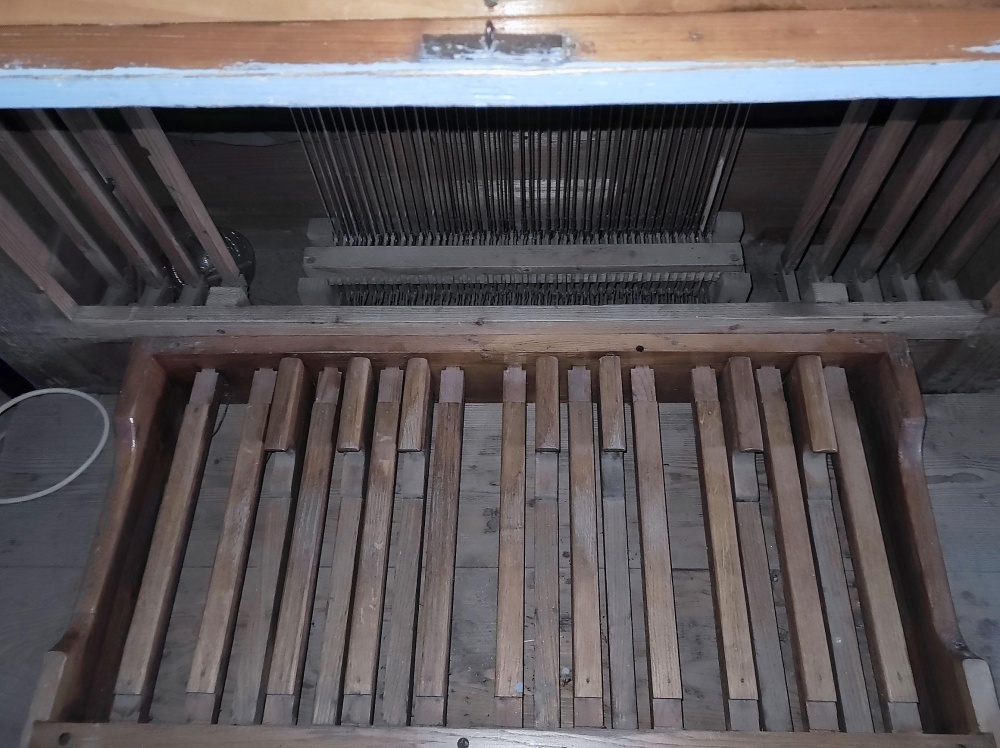
| manual range E-c´´´, pedal range E-a (both keyboards were built in full range) | ||
| Couplers: II/I (drawknob) | ||
| Other playing aids: none | ||
| Windchest type: mechanical slider chest | ||
| Remarks: | ||
| The organ was built in the second half of the 18th century. Based on its contstruction and | ||
| stylistic features, the instrument must obviously be categorized an an opus by Plažický. | ||
| After the instrument was brought to Kulpin, ist construction was changed: the keyboards | ||
| with short octave and the console located at the back were eliminated. | ||
| Sources: | ||
| Fieldwork of Zoltán Borbély (2022) | ||
| Photos: Zoltán Borbély | ||
← →